“It’s not the rain that ruins roofs—it’s where the rain goes after.”
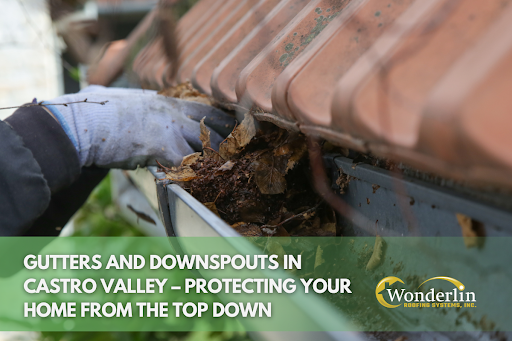
When rain hits your roof, what happens next makes all the difference. Gutters and downspouts are your first line of defense against water damage, guiding rain safely away from your home’s structure. In Castro Valley—where tree-lined streets and winter rains collide—this system matters more than ever.
Here’s how Wonderlin Roofing helps Castro Valley homeowners keep drainage flowing and stress low.
WHY GUTTERS AND DOWNSPOUTS MATTER MORE THAN YOU THINK
According to FEMA, an official website of the U.S. Department of Homeland Security, gutters do more than catch rain—they protect your entire home. Without a working roof drainage system, water pools on your roof, seeps into fascia boards, causes wood rot, and can contribute to foundation erosion over time.
Castro Valley homes face additional challenges, including seasonal leaf drop, wind-blown debris, and heavy winter downpours. Combine that with older homes and mature trees, and clogged gutters become a high-risk hazard.
Not sure if your system’s working? Wonderlin Roofing can assess it before the next storm hits.
COMMON PROBLEMS THAT LEAD TO BIG REPAIRS
Clogs and Overflow
Debris builds up fast, especially in the fall. According to the National Roofing Contractors Association (NRCA), overflowing gutters can cause damage to fascia boards and siding, resulting in rot and internal leaks. We recommend cleaning twice a year—especially before winter.
Detected or Leaking Gutters
Don’t ignore sagging, rust, or drips. Small leaks often become big repairs. Catch them early.
See a drip? Let Wonderlin Roofing resecure or replace damaged sections fast.
Improper Downspout Flow
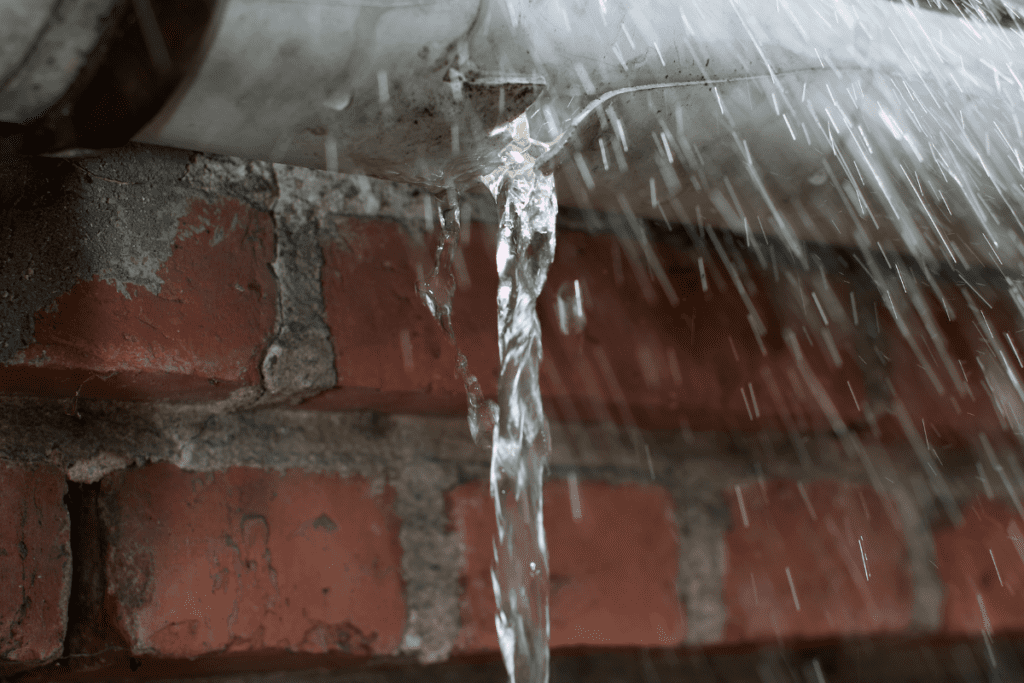
Downspouts should direct water at least 3 feet away from your home. Many homes in Castro Valley fail to meet expectations. Extensions, splash blocks, or underground drains can address that issue.
GUTTER CLEANING AND MAINTENANCE: DIY OR PROFESSIONAL?
Yes, you can do it yourself—but should you? Ladder work is inherently risky, and most homeowners fail to inspect and clean the system thoroughly. Professional services typically offer more thorough and safer cleaning, especially for multi-story homes.
Looking for “gutter cleaning near me”? Wonderlin Roofing can handle it all—safely and thoroughly.
CUSTOMER TESTIMONIAL: BOLEK K’S EXPERIENCE WITH WONDERLIN ROOFING (2025)
Instead of a hypothetical scenario, here’s a real customer experience from 2025:
“Great experience with Wonderlin, Grover, and his crew. They completed all promised repairs and several additional minor fixes. Very responsive over the phone and email. 100% can recommend Wonderlin Roofing. Reasonable price.”
—Bolek K, Google Reviews (2025)
UPGRADES THAT MAKE A DIFFERENCE
Not all gutters are created equal. Seamless gutters prevent leaks. Leaf guards reduce cleaning needs. Larger downspouts handle storms better. These upgrades can help reduce long-term repair costs by preventing common drainage issues.
Learn more about gutter upgrades →
Explore upgrade options before the next major rain event.
WHY CASTRO VALLEY TRUSTS WONDERLIN ROOFING
We’re a family-run business with over 30 years of experience—and deep Castro Valley roots. When we work on your home, we treat it as if it were our own. Honest advice, clean work, and no upsells. Just solid roofing done right.
Call Wonderlin Roofing for a drainage checkup before the next storm season.
FAQs
How often should gutters be cleaned in Castro Valley?
Twice a year—once in late fall and once in spring—is ideal, more often if your home is near heavy tree cover.
Can clogged gutters cause roof leaks?
Yes. Overflow can soak under shingles and into your roof deck, leading to interior leaks.
What’s the best gutter upgrade for older homes?
Seamless aluminum gutters with leaf guards provide durability and reduced maintenance, making them an ideal choice for older homes with large trees. For more information, visit NRCA’s homeowner resources or FEMA’s guidance on home drainage.